7th February 2026
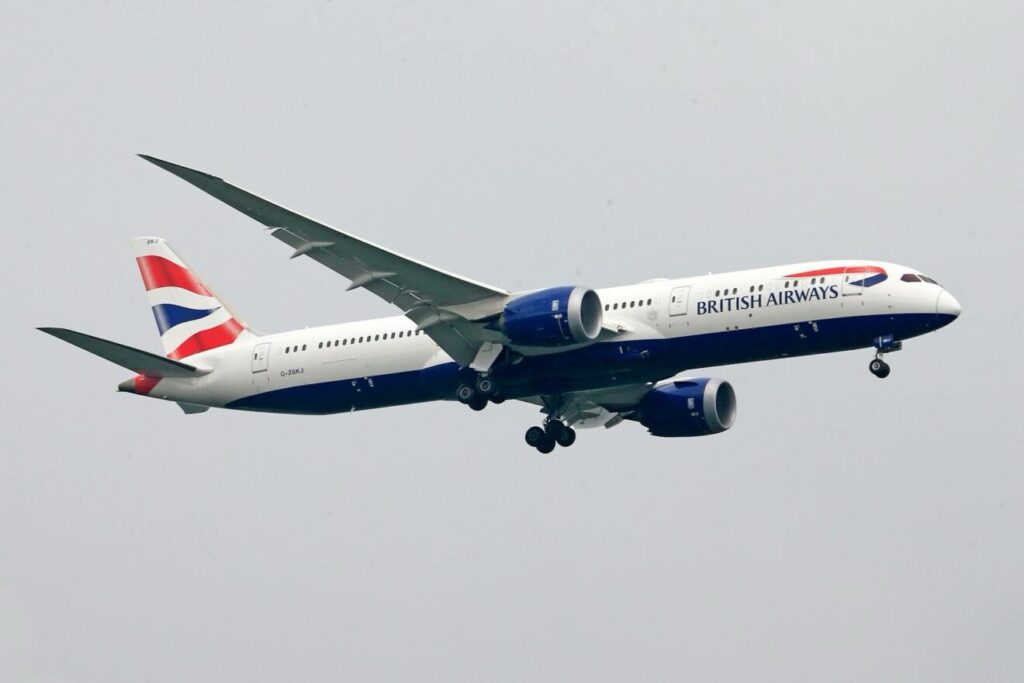
British Airways is facing criticism following a Business Class passenger’s detailed account of significant service shortcomings on a long-haul flight. The incident, which highlighted major hygiene issues, occurred on a 14-hour journey from Hong Kong to London, raising questions about the airline’s premium cabin standards. For many travelers, access to basic amenities is a minimum expectation, and this experience sheds light on what can happen when those standards are not met. This report details the passenger’s experience, from unmaintained lavatories to meal service failures, and explores the broader implications for service consistency on ultra-long-haul routes.
What Happened on the British Airways Hong Kong to London Flight
The incident occurred on a nonstop British Airways flight from Hong Kong International Airport (HKG) to London Heathrow (LHR). This ultra-long-haul flight covers approximately 9,600 kilometers and has a scheduled duration of over 14 hours. On such extensive journeys, passengers, especially those in premium cabins like British Airways Business Class, have a reasonable expectation for consistent cabin upkeep and reliable access to essential amenities.
According to the passenger’s account, significant service problems began to surface several hours into the long-haul flight. Multiple lavatories in the Business Class cabin reportedly became increasingly unsanitary and unusable as the journey progressed. This situation highlights a potential breakdown in standard operating procedures for maintaining cabin hygiene on a key international route.
Hygiene Issues in British Airways Business Class Cabin
One of the most critical aspects of any premium travel experience is the state of the environment in which passengers spend their time. On this particular British Airways Business Class journey, however, the reported cabin conditions fell significantly short of the standards typically associated with luxury air travel.
According to the passenger’s detailed account, the primary issue centered on the lavatories. Roughly halfway through the 14-hour long-haul flight, the cleanliness of the facilities reportedly deteriorated rapidly. The passenger noted that multiple lavatories were not serviced frequently enough to handle the volume of use, leading to unsanitary conditions that made them difficult to access comfortably.
For travelers paying a premium for Business Class, the expectation is that cabin crew will monitor and maintain hygiene levels throughout the duration of the flight. The report suggests that essential supplies, such as hand soap and paper towels, were depleted and not restocked promptly. This lack of maintenance is particularly concerning on a long-haul flight, where passengers are confined to the aircraft for extended periods and rely entirely on the onboard facilities for their well-being.
The breakdown in cabin conditions extended beyond just supplies. The passenger described an environment that felt neglected, raising broader questions about staffing levels and service protocols on ultra-long-haul routes. When British Airways Business Class passengers cannot access clean and functional amenities, it significantly impacts the overall perception of the airline’s brand value and commitment to passenger comfort.
Meal Service Concerns on British Airways Long-Haul Flight
Beyond the hygiene issues, the passenger’s experience also highlighted significant problems with the British Airways Business Class meal service. On a long-haul flight, the dining experience is a key component of the premium cabin offering, designed to provide comfort and quality over many hours. However, the service on this flight reportedly failed to meet these expectations.
According to the passenger, the meal service was inconsistent and poorly executed. Specific concerns were raised about the timing and availability of food options. For travelers on a 14-hour journey, a well-paced and satisfying meal schedule is crucial for managing jet lag and maintaining energy levels. The account suggests that the service felt rushed and disorganized, diminishing the premium experience that passengers pay for.
Furthermore, issues were noted with the quality of the food itself. While airline catering can be challenging, premium cabins are expected to deliver a superior culinary standard. The passenger described the meals as underwhelming, which compounded the disappointment from the other service failures. When the meal service on a long-haul flight does not align with the advertised quality of British Airways Business Class, it detracts from the airline’s brand promise. These concerns point to a potential gap between passenger expectations and the actual service delivery on this key international route.
Why Cabin Maintenance Matters on Long-Haul Flights
On a short flight, a missed cleaning detail might simply be an annoyance. But on long-haul flights lasting 10 hours or more, the aircraft becomes the passenger’s entire world. Cabin maintenance isn’t just about appearances,it’s about health, safety, and comfort.
Hygiene is a top priority. With hundreds of passengers sharing tight quarters, areas like lavatories can quickly become unsanitary. Without regular cleaning and restocking of essentials, the risk of germ spread increases. Solid maintenance practices help keep the environment clean and passengers healthy.
Cleanliness also impacts the overall experience. A well-kept cabin promotes relaxation and reduces stress, while messy restrooms or broken fixtures send a message of neglect. For premium passengers especially, these details matter. Even with comfortable seats, poor maintenance can undermine trust and devalue the journey.
How Service Standards Vary Across Airlines
Not all flight experiences are created equal, and this is especially true when it comes to airline service standards. While incidents like the one on the British Airways flight draw attention to service failures, they also highlight a broader reality: the quality of the passenger experience can differ dramatically from one carrier to another. This variation is most noticeable in premium cabins, where expectations are highest.
Several factors contribute to these differing standards. An airline’s corporate culture and operational priorities play a significant role. Some carriers, like Singapore Airlines or Qatar Airways, have built their brand identity around exceptional service. They invest heavily in cabin crew training, focusing on proactive and intuitive service that anticipates passenger needs. This commitment often translates into consistently high rankings for customer satisfaction, particularly in their business and first-class offerings. For these airlines, superior service is a core part of their value proposition.
In contrast, other airlines may prioritize cost efficiency or network size over service intricacies. While still offering premium cabins, their approach to the passenger experience might be more functional than luxurious. This can result in inconsistencies, where service quality depends heavily on the specific crew or route. The focus might be on meeting basic requirements rather than exceeding expectations, leading to a more transactional feel. These differences in airline service standards mean that the term “business class” can describe a wide spectrum of experiences, from truly exceptional to merely adequate.
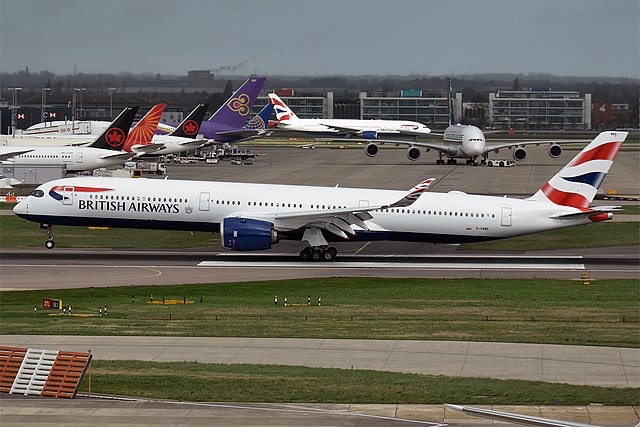
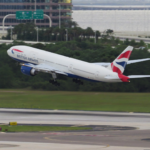
Photo by Steve Lynes / Wikimedia Commons (CC BY-SA 2.0)
British Airways Response and Unresolved Questions
Following reports of significant service failures, the focus naturally shifts to the official British Airways response. Airlines typically handle such passenger concerns through internal investigations and direct communication with the affected individuals. In high-profile cases, a public statement may also be issued to reassure customers and outline steps toward service improvements. At present, the specifics of how British Airways is addressing this particular incident remain unclear.
A key unanswered question is whether this event represents an isolated failure or points to a more systemic issue. Was the lack of cabin maintenance and inconsistent meal service a result of a specific crew being overwhelmed on a demanding long-haul route, or does it reflect broader challenges with staffing levels, training protocols, or supply chain management? Without a transparent British Airways response, it is difficult for the public and loyal customers to understand the root cause. A thorough internal review would be necessary to identify the breakdown and prevent future occurrences.
Moving forward, the airline’s actions will be critical in rebuilding trust. Addressing the immediate passenger concerns with a formal apology and appropriate compensation is the standard first step. However, a lasting solution requires a clear commitment to tangible service improvements. This could involve reviewing and reinforcing cabin cleaning schedules on long-haul flights, ensuring adequate staffing levels, and enhancing crew training to better manage in-flight service delivery. How British Airways chooses to respond will signal its dedication to upholding the premium standards expected of its Business Class product.
First seen on https://aviationa2z.com