


By Joshua Fagan

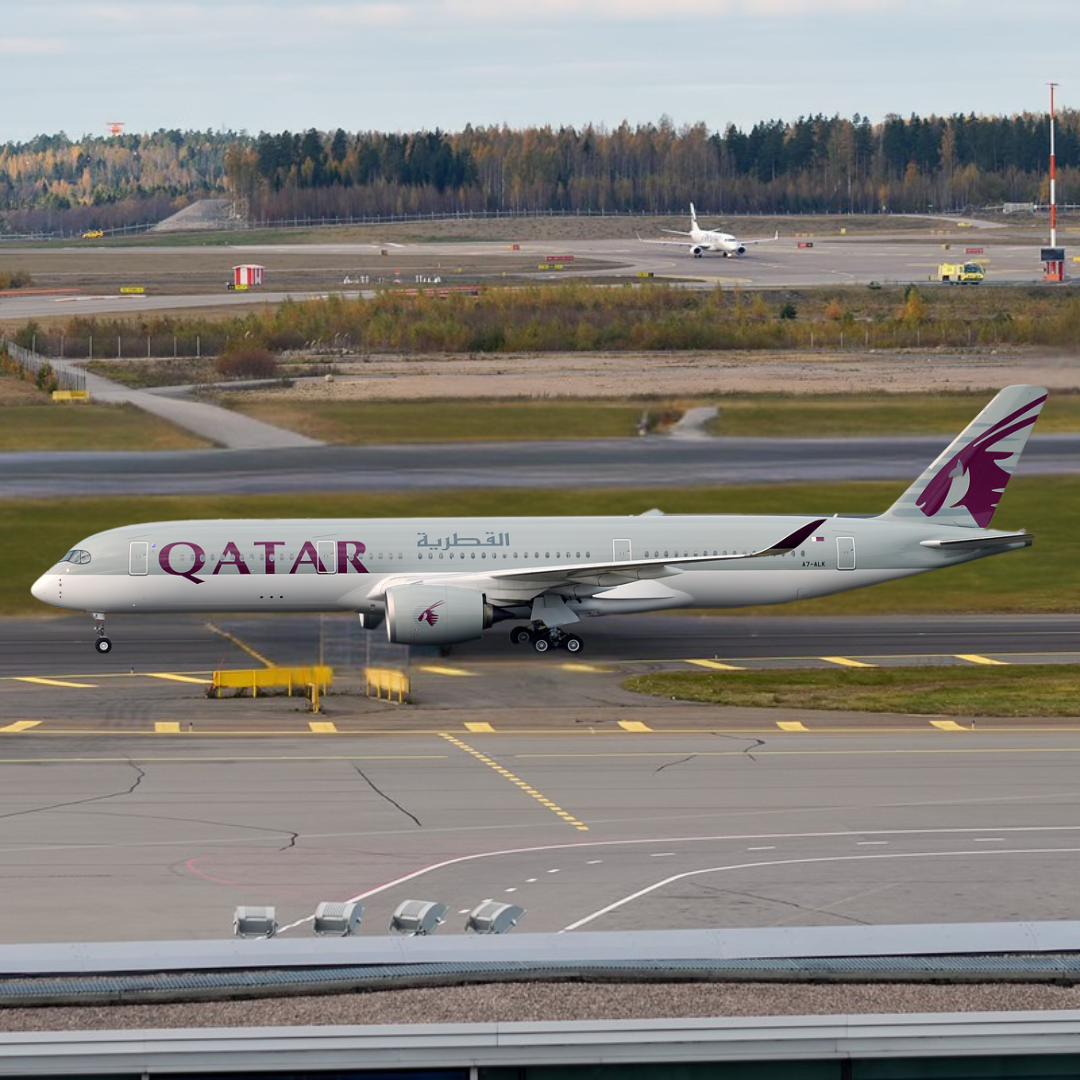
A Qatar Airways long-haul flight that diverted to Helsinki for a medical emergency before continuing to San Francisco has drawn attention to how crew duty time rules are applied when flights are disrupted far from their destination.
The incident involves Qatar Airways flight QR737, operating from Doha to San Francisco. On 2 February 2026, the flight diverted to Helsinki after a passenger required urgent medical attention. The diversion itself was routine and appropriate. What followed has prompted discussion within aviation circles about fatigue management on ultra-long-haul routes.
Public flight-tracking data confirms that the aircraft later departed Helsinki and continued to San Francisco on the same day. According to information shared with FlightDrama by a reader familiar with the flight, the same operating crew remained on duty for the onward sector, raising questions about how extended duty periods are assessed after medical diversions.
Qatar Airways has not publicly commented on crew duty time related to the flight, and no regulatory enforcement action has been announced.
What public data confirms
Data from Flightradar24 shows that flight QR737 diverted to Helsinki on 2 February 2026 while operating a scheduled service from Doha to San Francisco. The aircraft involved was an Airbus A350-1000.
The same aircraft later departed Helsinki and completed the onward flight to San Francisco. Public tracking data does not show crew composition, duty time, or rest arrangements, but it independently confirms that both the diversion and the continuation of the flight took place.
These elements are verifiable. Decisions made inside the operation are not.
What FlightDrama has been told
According to a reader familiar with the flight, the aircraft continued to San Francisco with the same operating crew following the diversion. The reader claims the total duty period extended significantly beyond a typical long-haul day and relied on regulatory provisions that allow flexibility after unforeseen events such as medical emergencies.
The reader also claims the situation raised fatigue concerns among crew, with the decision to continue made under company procedures rather than a reset of duty.
FlightDrama has not independently verified duty time figures, rest provisions, or internal decision-making. These details are presented as claims from a reader, not as established fact.
Why diversions complicate duty limits
To many passengers, crew duty limits sound like a fixed maximum number of hours. In practice, flight time limitation rules allow flexibility when flights are disrupted by events outside an airline’s control.
Under international frameworks aligned with guidance from the International Civil Aviation Organization, operators may extend duty beyond normal limits following unforeseen events, provided safety is assessed and rest opportunities are considered.
The intent is to avoid stranding passengers and aircraft after diversions, particularly when they occur late in a flight over remote regions. How conservative those assessments should be is where tension can arise between crews and operators.
On ultra-long-haul routes, where duty days are already extended, even a single diversion can push operations close to fatigue boundaries.
A familiar pressure point in long-haul aviation
Situations like this are not unique to one airline. Across the industry, long-haul operators face the same dilemma when disruptions occur far from base.
Supporters of the current system argue that flexibility is essential for global operations and prevents large-scale cancellations. Critics counter that repeated reliance on extensions can normalise very long duty periods and discourage crews from raising concerns.
What makes these cases sensitive is that they are governed largely by internal assessments rather than clear public thresholds.
What is not known
There is no public evidence that Qatar Airways breached any flight time limitation rules on this flight. No regulator has announced an investigation, and no enforcement action has been disclosed.
It is also not publicly known how rest was managed after the diversion, whether augmented crew were available, or whether any crew member formally declined to operate the onward sector.
Without those details, the situation cannot be judged as compliant or non-compliant.
Why the incident still matters
Even without a confirmed violation, the flight highlights a broader issue in modern aviation. As airlines operate longer routes with tighter schedules, disruptions increasingly test the edges of fatigue management systems.
Medical diversions are unavoidable and necessary. What follows them is where judgement, discretion, and safety margins intersect.
For passengers, the flight continued and arrived safely. For crews, moments like this can become defining examples of how duty limits are interpreted under pressure.
This incident is not a verdict on one airline. It is a reminder that as long-haul flying stretches further, the balance between operational continuity and fatigue protection will remain under scrutiny.