


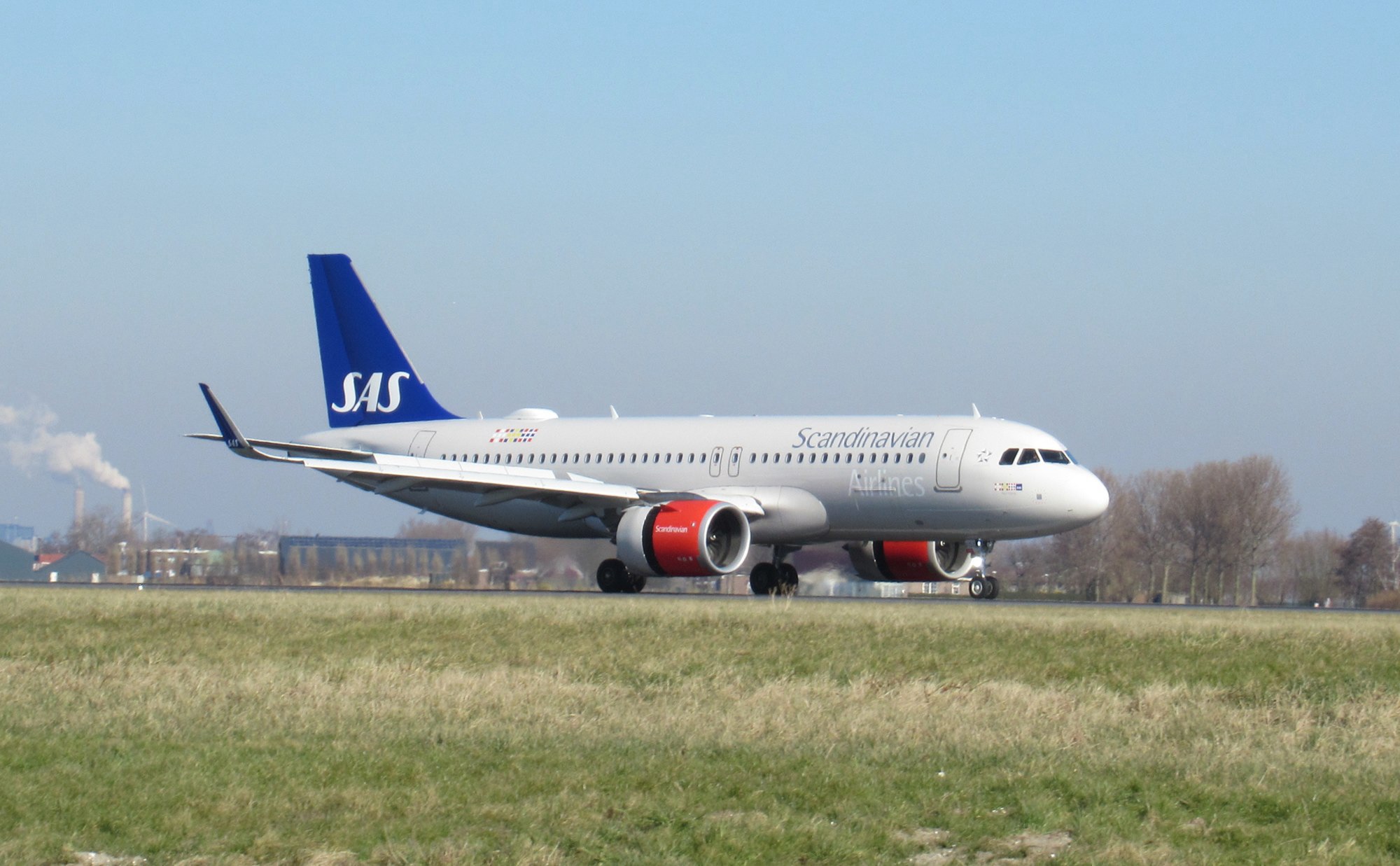
Late on Thursday evening, a Scandinavian Airlines flight departing Brussels came far closer to a serious accident than most passengers would ever expect. Instead of beginning its takeoff from the assigned runway, the aircraft started accelerating along a taxiway.

The incident involved Scandinavian Airlines flight SK2590, scheduled to fly from Brussels to Copenhagen. While no injuries were reported and the aircraft never became airborne, the event is being treated as a serious safety incident and is now under investigation.
What happened
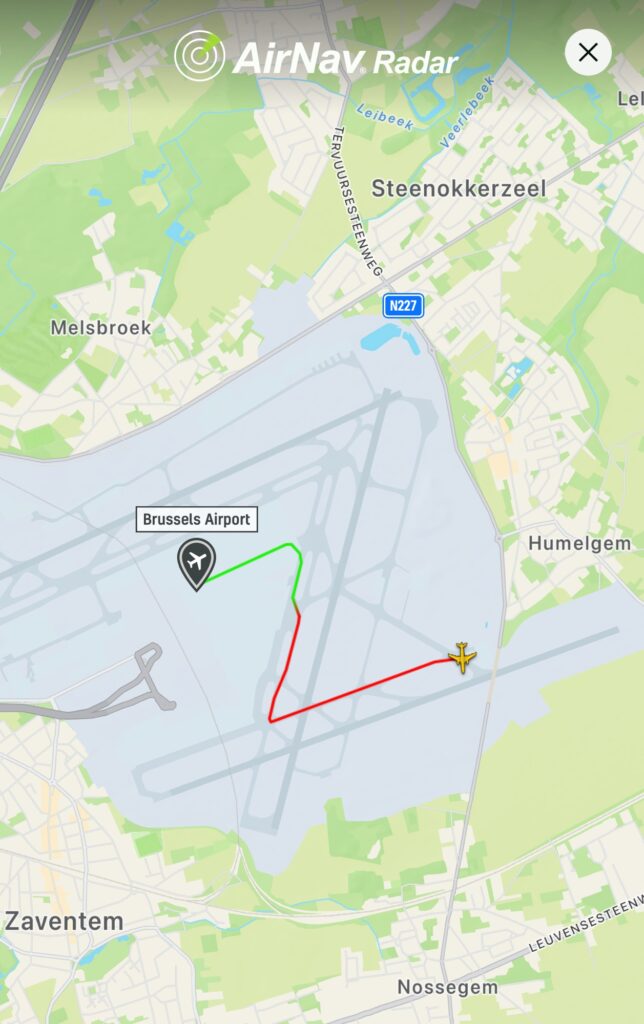
Flight SK2590 had received clearance to depart from Runway 07R at Brussels Airport shortly after 21:00 local time. Instead of lining up on the runway threshold, the aircraft entered a parallel taxiway and began its takeoff roll there.
Flight tracking data indicates the jet accelerated rapidly, reaching speeds above 100 knots. Before liftoff, the crew recognised the error and rejected the takeoff. The aircraft came to a stop partially off the paved surface, with its landing gear entering a grassy area beside the taxiway.
The aircraft was unable to taxi further and later required towing. Passengers were evacuated as a precaution and rebooked onto alternative flights. Airport operations otherwise continued normally.
Why this matters
Taxiways are not designed for takeoff. They are narrower than runways, have lower structural margins, and are located closer to signage, lighting, and other fixed obstacles. Attempting to take off from one significantly increases the risk of losing control or striking objects that would not normally be near a runway.
Incidents of this kind are extremely rare, especially at large international airports with modern lighting, signage, and air traffic control systems. When they do occur, they are treated seriously regardless of the outcome.
The key concern is not that the aircraft stopped safely. It is that the error occurred in the first place.
How a Taxiway Can Be Mistaken for a Runway
Investigators will now work to understand how the aircraft lined up on the wrong surface. In similar cases, attention typically focuses on a combination of environmental and human factors rather than a single failure.
Night operations reduce visual cues, particularly at airports where runways and taxiways run parallel for long distances. Lighting patterns can appear similar from the cockpit, especially during periods of high workload as crews prepare for departure.
Flight crews are trained to use multiple cross checks before takeoff, including visual confirmation, instrument verification, and verbal coordination between pilots. A breakdown or delay in those checks can allow an error to progress further than intended.
Air traffic control communications will also be reviewed to confirm what instructions were given and how they were understood. Airport signage and layout will form part of the analysis as investigators look at whether anything in the environment contributed to the misalignment.
The Safety System Still Did Its Job
Although the situation was serious, one critical defence worked as intended. The crew rejected the takeoff before the aircraft left the ground.
Rejected takeoffs are a standard, heavily trained manoeuvre. Pilots practise them repeatedly in simulators, including at high speeds. The decision to stop the aircraft, even late in the takeoff roll, is one of the most important safety actions a crew can take.
In this case, that decision prevented a far more dangerous outcome.
What Happens Next
Scandinavian Airlines has confirmed it is cooperating fully with Belgian aviation authorities. Investigators will examine flight data, cockpit recordings, and air traffic control audio to reconstruct the sequence of events.
The goal of such investigations is not punishment. It is understanding. Findings often lead to procedural changes, additional training emphasis, or airport layout adjustments designed to reduce the chance of a similar error occurring again.
Previous incidents involving taxiway takeoff attempts worldwide have resulted in clearer runway entry procedures, improved lighting differentiation, and reinforced crew verification steps.
A Rare Error, Taken Seriously
For passengers, incidents like this can sound alarming. They are also a reminder of how layered aviation safety is designed to be. Mistakes can occur, but they are expected to be detected before becoming accidents.
The aircraft never became airborne. No one was injured. Passengers were able to continue their journeys. Those outcomes reflect the final safety barriers doing their job when earlier ones failed.
The investigation will determine exactly how this incident unfolded. What is already clear is that a rare and serious error occurred, it was caught in time, and the system will now work to make it even less likely to happen again.
That process, rather than the headline itself, is what keeps commercial aviation as safe as it is.