


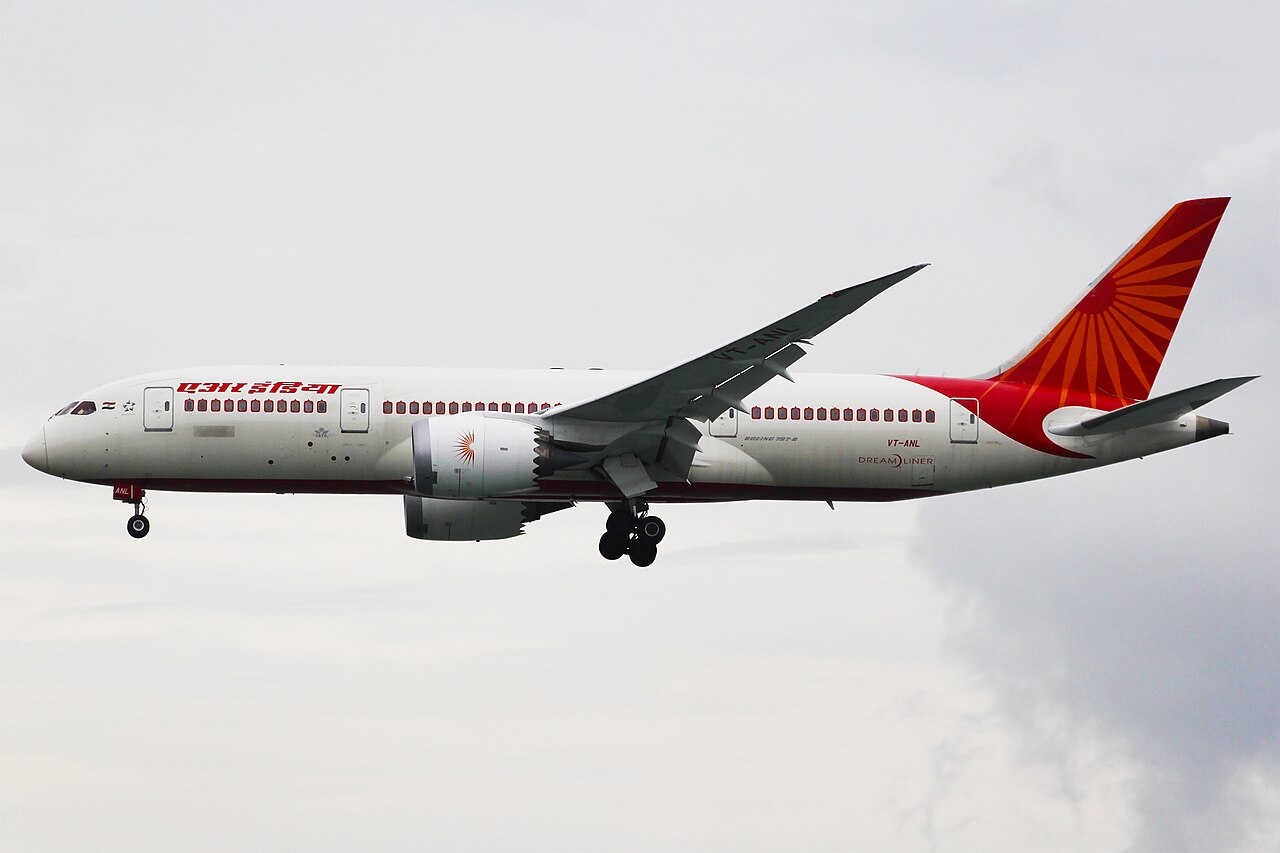
On 5 February 2026, the UK Civil Aviation Authority (CAA) demanded a detailed explanation from Air India after one of its Boeing 787-8 Dreamliners departed London Heathrow Airport (LHR) despite concerns about a fuel-control switch issue. The aircraft, operating as AI132 on a flight from London to Bengaluru, India, was later grounded upon arrival for safety inspections after the issue was reported by the flight crew. In a formal letter to Air India, the CAA gave the airline one week to provide a comprehensive response detailing what maintenance checks were done before departure and why the aircraft was permitted to fly with a reported technical concern. Regulatory action could follow if the response is unsatisfactory.

What is a fuel-control switch?
In modern jet aircraft like the Boeing 787, fuel-control switches are part of the engine control system that manage fuel flow to the engines and are typically used during engine start and shutdown procedures. They are designed with safeguards to prevent unintentional movement, and aviation regulators treat any reported fault seriously because mis-management of fuel control systems can affect engine performance. The fuel-control system includes redundancies and requires careful handling by pilots and maintenance crews.
The sequence of events
Flight AI132 departed Heathrow on 4 February 2026. Before departure, the flight crew reported a potential issue with a fuel-control switch mechanism during pre-flight procedures. Despite this, the aircraft was cleared to take off. After landing in Bengaluru, the flight crew reported the concern again, and the aircraft was grounded and inspected by maintenance teams. Air India said it was cooperating with regulators and that no in-flight fuel imbalance or engine issues were reported during the flight.
The CAA’s demand for answers
The UK CAA’s letter to Air India is part of its standard safety assurance procedures. The regulator asked for a detailed account of maintenance checks, documentation of the defect’s handling, and explanations of who authorised the aircraft’s departure. Air India has confirmed it will reply to the CAA and emphasised that safety remains its priority, noting that checks have been carried out on potentially affected systems across its Boeing 787 fleet.
Safety culture and international oversight
Air India operates a significant Boeing 787 fleet on long-haul routes. The CAA’s scrutiny comes amid heightened regulatory attention following previous incidents in the industry. As with all international safety oversight, regulators around the world monitor such events closely to assess whether broader procedural changes are warranted.
Implications for travellers
While headlines about a “faulty fuel switch” can cause concern, experts note that modern airliners are designed with multiple redundancies, and pilots can manage many technical issues safely in flight. Air India has stated that its inspections did not find other widespread defects and that it will continue cooperating with regulators to ensure safety.
Conclusion
The CAA’s inquiry into Air India’s handling of the fuel-control switch issue underscores the role of cross-border regulatory oversight and the importance of thorough pre-flight checks. While the issue did not result in an immediate safety incident, the investigation will clarify whether procedural lapses contributed to the situation and what measures can strengthen safety protocols.