


9th February 2026 , By Soyunci

A Wizz Air flight from London to Tel Aviv, operated by an Airbus A321neo, was intercepted by Israeli fighter jets following a false security alert. The scare, which triggered a major in-flight security response, was later traced to the name of a passenger’s Wi-Fi hotspot. The incident highlights the sensitive nature of aviation security and the protocols in place to manage potential threats.
This article breaks down what happened during the flight, the military response, and why such alerts are always taken with the utmost seriousness.
What Happened on the London to Tel Aviv Flight?
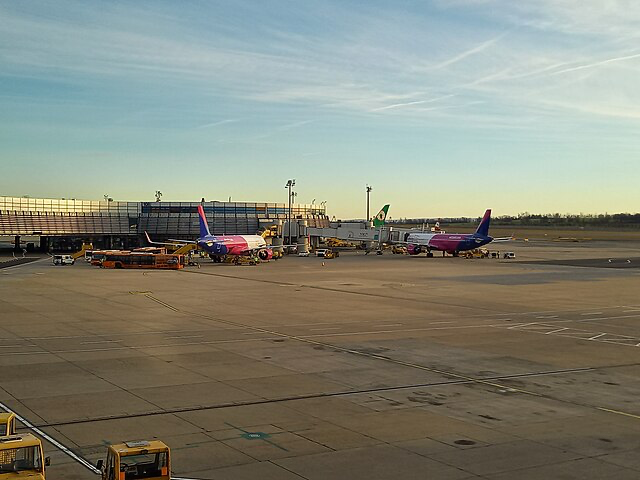
On Sunday, a Wizz Air flight from London Luton to Tel Aviv, flight number W95301, operated by an Airbus A321neo, experienced a mid-air security scare. While en route to Ben Gurion Airport, a passenger noticed what they perceived as a threatening message on another person’s mobile phone and immediately notified the cabin crew. This report prompted an immediate security response while the aircraft was still airborne.
The report set in motion a chain of events involving both the airline and national security agencies. Although the alert was ultimately deemed a false alarm, the initial report required a full and cautious response to ensure the safety of everyone on board. Israeli authorities later confirmed that the perceived threat was unfounded.
Military Response and In-Flight Assessment
As a direct result of the alert, the Israeli Air Force scrambled fighter jets to intercept the passenger plane as it approached Israeli airspace. This is a standard component of aviation safety protocols when a potential airborne threat is identified. Flight-tracking data showed the Airbus A321neo flying in holding patterns over the eastern Mediterranean. This delay allowed security agencies on the ground time to assess the situation.
During this period, security officials evaluated the information coming from the aircraft. The interception by military jets allowed authorities to maintain visual contact and control while determining the best course of action. After a thorough assessment, the flight was cleared to continue its journey to Tel Aviv, escorted by the military aircraft.
Landing and Security Checks on Arrival
Upon landing at Ben Gurion Airport, the aircraft was immediately directed to a controlled, remote area. Passengers were disembarked and underwent thorough security screening. This included detailed checks of their hand luggage and personal belongings to rule out any possible danger.
As an additional precaution, bomb-sniffing dogs were deployed to inspect the aircraft. Airport security personnel conducted further inspections before any operations returned to normal. Flights at the busy Tel Aviv airport were briefly paused during the response. The Israel Airports Authority later issued a statement confirming that no genuine security threat was discovered and the incident was resolved without risk.
How Was the False Security Threat Triggered?
The root of this significant Wizz Air security alert was surprisingly simple. Israeli media outlets reported that the entire incident stemmed from a Wi-Fi hotspot name visible on a passenger’s phone. The network name contained wording that another passenger interpreted as a potential threat.
Further investigation revealed that the hotspot name had been changed by a child traveling with their parents. There was no malicious intent, and the message did not represent any real danger. Despite its innocent origin, the nature of the report meant that aviation security procedures had to be followed until the situation was fully verified and understood.
Why Aviation Safety Protocols Are So Strict
Security alerts on commercial flights are handled with extreme caution. This is especially true on routes to sensitive destinations where the potential for threats is taken very seriously. Any report of a possible threat must be assessed in real time, often with limited information, while an aircraft is thousands of feet in the air.
A military interception is a precautionary measure, not necessarily a confirmation of a confirmed threat. It allows authorities to respond swiftly while prioritizing the safety of passengers and crew above all else. Aviation security experts note that while a false security threat can cause significant operational disruption, established procedures are designed to err on the side of caution. Overlooking a genuine threat is a risk no one is willing to take.
A Wider Pattern of False Alerts
This incident is part of a broader pattern of heightened security sensitivity in international aviation. In recent weeks, several flights across the globe have been diverted or intercepted due to hoax threats or misunderstandings. These often originate from electronic messages, AirDrop requests, or passenger reports that turn out to be benign.
In the majority of these cases, no explosives or weapons are found. However, each incident requires a full-scale response from airlines, airports, and national security agencies. While these events can be unsettling for travelers, authorities emphasize that the layered security response is proof that the system is working as intended, rather than an indication of increased danger.
What Happens Next?
No arrests or charges have been announced in connection with the Wizz Air incident. Authorities have not indicated whether any further action will be taken. Fortunately, the airline reported no injuries or damage to the aircraft.
For the passengers, the flight concluded safely, though with significant delays and an unnerving experience. For the aviation industry, the event is another reminder of how quickly minor actions can escalate into major security operations. Airlines continue to advise travelers to be mindful of their electronic device usage and to report any concerns responsibly, as even innocent behavior can have serious consequences when misinterpreted at 30,000 feet.